
← Back to blog
The Hidden Stress of Invoicing for Solo Businesses
Elaine · 16 August 2026
The Hidden Stress of Invoicing for Solo Businesses
For a solo practitioner, the transition from healer or consultant to administrative clerk happens the moment a client leaves the chair. While providing the actual service is deeply rewarding, the backend paperwork that follows can quickly become a source of chronic stress. Managing a solo practice means wearing all hats simultaneously, and invoicing may sometimes feel like the heaviest one to bear.
The process is rarely as simple as clicking a button. It requires sitting down after an exhausting day of client sessions to manually input data, track billable hours, and assign codes. For healthcare professionals, navigating the maze of medical aid requirements and ICD-10 codes adds another layer of admin, as a single typo can lead to rejection by the medical aid.
This administrative burden eats into personal time, transforming quiet evenings and weekends into unpaid office hours. The constant pressure to stay accurate while tired can lead to a unique kind of mental exhaustion.
The stress intensifies when payments do not arrive on time.
A solo practitioner does not have a dedicated accounts department to handle collections, meaning they must personally assume the awkward role of debt collector. Sending polite reminders, following up on ignored emails, and making uncomfortable phone calls to late-paying clients can damage the therapeutic or professional relationship. This delayed cash flow creates unnecessary financial anxiety.
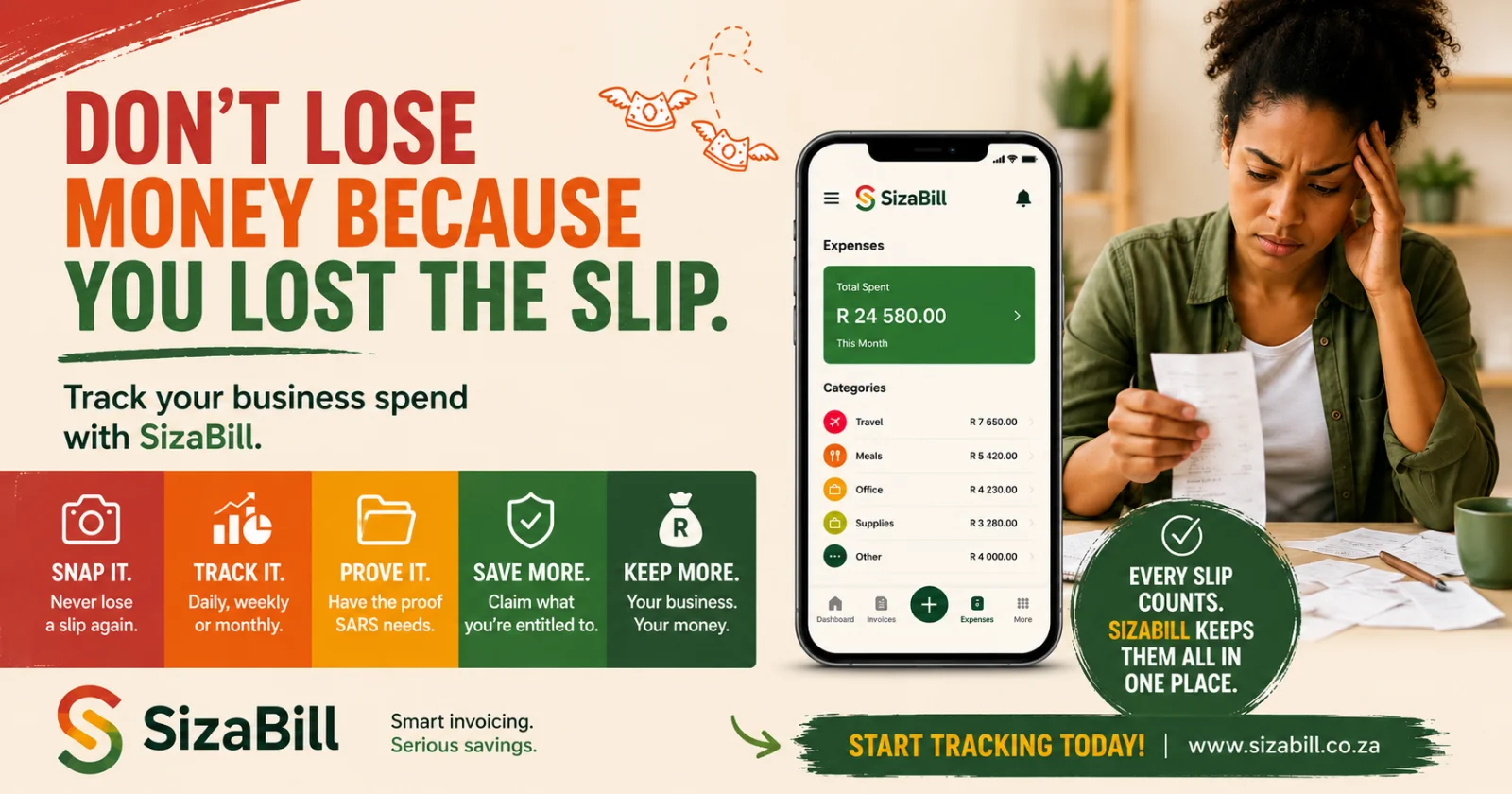
Ultimately, the hours spent on spreadsheets and tracking bank statements represent an opportunity cost. Every hour lost to administrative chaos is an hour that could have been spent treating an extra client, marketing the business, or resting. This relentless balancing act frequently leads to burnout, turning the dream of independent practice into a cycle of paperwork. A simply invoicing app like SizaBill aims to address much of this stress. Give it a try!
For a solo practitioner, the transition from healer or consultant to administrative clerk happens the moment a client leaves the chair. While providing the actual service is deeply rewarding, the backend paperwork that follows can quickly become a source of chronic stress. Managing a solo practice means wearing all hats simultaneously, and invoicing may sometimes feel like the heaviest one to bear.
The process is rarely as simple as clicking a button. It requires sitting down after an exhausting day of client sessions to manually input data, track billable hours, and assign codes. For healthcare professionals, navigating the maze of medical aid requirements and ICD-10 codes adds another layer of admin, as a single typo can lead to rejection by the medical aid.
This administrative burden eats into personal time, transforming quiet evenings and weekends into unpaid office hours. The constant pressure to stay accurate while tired can lead to a unique kind of mental exhaustion.
The stress intensifies when payments do not arrive on time.
A solo practitioner does not have a dedicated accounts department to handle collections, meaning they must personally assume the awkward role of debt collector. Sending polite reminders, following up on ignored emails, and making uncomfortable phone calls to late-paying clients can damage the therapeutic or professional relationship. This delayed cash flow creates unnecessary financial anxiety.
Ultimately, the hours spent on spreadsheets and tracking bank statements represent an opportunity cost. Every hour lost to administrative chaos is an hour that could have been spent treating an extra client, marketing the business, or resting. This relentless balancing act frequently leads to burnout, turning the dream of independent practice into a cycle of paperwork. A simply invoicing app like SizaBill aims to address much of this stress. Give it a try!